
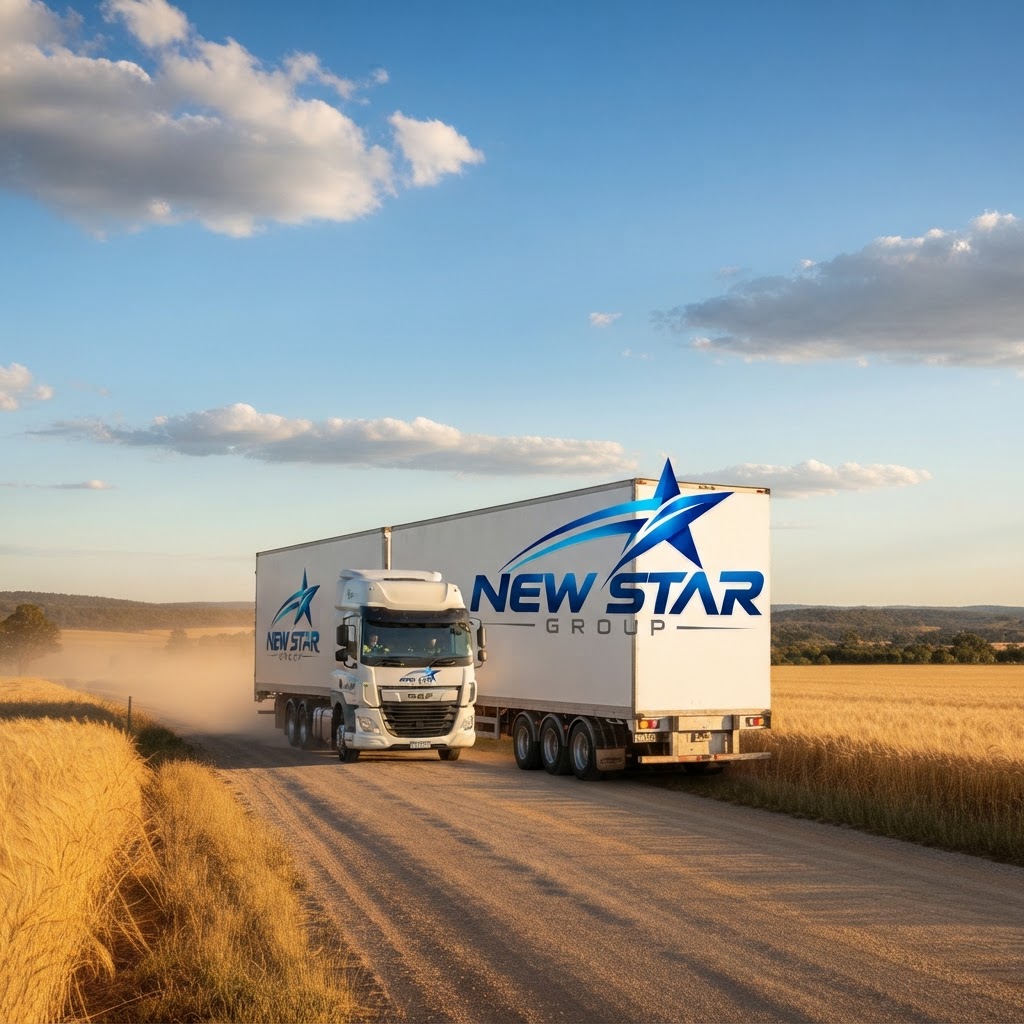
Last Mile to the Outback: The Unique Challenge of Rural and Regional Logistics
For the 7 million Australians living outside major cities, reliable freight services are not a convenience — they are essential. We explore what it takes to deliver to regional and remote Australia.
Approximately 28% of Australia's population — around 7.6 million people — live outside major metropolitan areas. For these communities, reliable freight and logistics services are not merely a convenience but an economic and social lifeline. Yet regional and rural logistics remain among the most underserved and misunderstood segments of the transport industry.
The Tyranny of Distance
Australia's regional logistics challenge is unique in the world. A farming property in western Queensland may be 600 kilometres from the nearest major distribution centre. A remote Indigenous community in the Northern Territory might be accessible only by unsealed roads that become impassable during the wet season. A coastal fishing town in Western Australia may have just one delivery service per week.
These are not edge cases — they represent the daily reality for hundreds of thousands of Australians and thousands of businesses that depend on freight services to function.
The Economics of Regional Delivery
From a purely commercial standpoint, regional delivery is challenging. Lower volumes, longer distances, and more complex delivery environments drive up per-unit costs dramatically compared to metropolitan freight. Load factors on regional routes are often 50–60% of what operators achieve on urban runs.
Yet the demand is real and growing. Regional Australia accounts for a disproportionately large share of Australia's food and agricultural production — and getting inputs to farms and products to markets requires robust transport connections.
Road Conditions and Fleet Requirements
Delivering to regional and remote areas demands specialised equipment and experienced drivers. Unsealed roads, weight restrictions on bridges, and extreme weather events require operators to maintain diverse fleets — from agile small trucks for tight deliveries in country towns to robust prime movers capable of handling corrugated outback tracks.
Supporting Regional Communities
Beyond the commercial case, regional logistics providers play an important social role. For elderly or isolated residents, the weekly delivery truck is a vital connection to essential goods. For regional hospitals and medical facilities, reliable supply chains are literally a matter of life and death.
Conclusion
The future of regional logistics in Australia depends on a combination of government support, industry innovation, and genuine commitment from logistics providers willing to serve communities beyond the profitable urban core.