
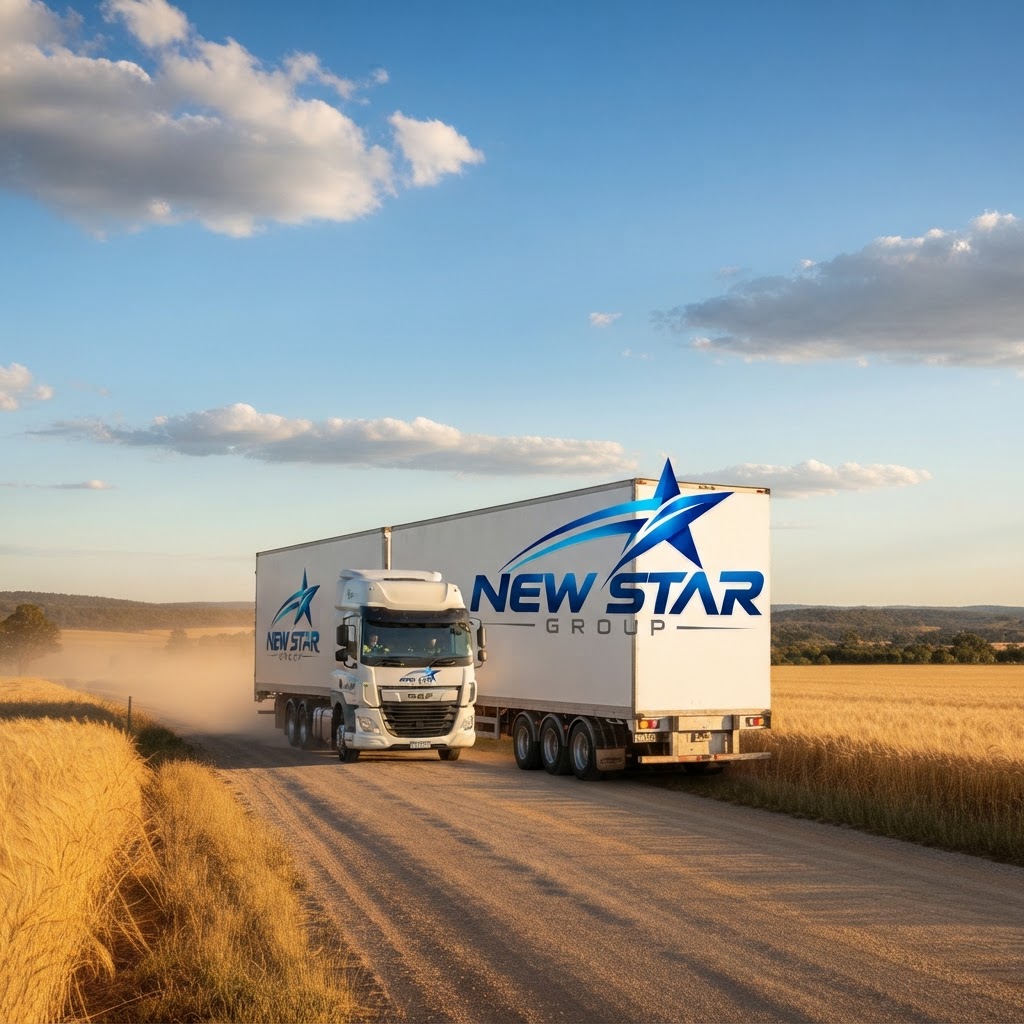
Net Zero Freight: Australia's Path to Sustainable Logistics
The road freight industry is one of Australia's most significant emissions sources. As the nation targets net zero by 2050, what does decarbonisation look like for transport?
Australia's commitment to net zero emissions by 2050 poses one of the most significant challenges — and opportunities — ever faced by the road freight industry. Transport accounts for approximately 18% of Australia's total greenhouse gas emissions, with heavy vehicles contributing around one-third of that total.
The Scale of the Challenge
Australia's heavy vehicle fleet operates predominantly on diesel. Replacing diesel with zero-emission alternatives across a fleet of 600,000+ trucks is a multi-decade, multi-billion dollar undertaking.
Different applications require different solutions: battery electric for urban distribution, hydrogen fuel cell for long-haul linehaul, and biofuels as a transitional option for vehicles that cannot yet be electrified.
Immediate Actions: Efficiency and Biofuels
In the near term, the most impactful decarbonisation levers are improved fuel efficiency and biofuel adoption. Route optimisation, driver training, aerodynamic improvements, and tyre pressure management can collectively reduce fuel consumption by 10–20%.
Renewable diesel and hydrotreated vegetable oil (HVO) are drop-in replacements for conventional diesel that can reduce lifecycle CO₂ emissions by 60–90%. Several Australian operators are already blending or running HVO in existing fleets.
Policy Levers
Key measures under consideration include a National Heavy Vehicle Efficiency Standard, extension of EV discounts to commercial heavy vehicles, investment in renewable hydrogen infrastructure, and carbon pricing mechanisms.
Industry Leadership
Australia's largest logistics operators have set ambitious decarbonisation targets. Linfox has committed to net zero operations by 2045. Toll Group has announced a 50% emissions reduction target by 2030.
Conclusion
Decarbonising Australian freight is a generational challenge. The transport operators that engage seriously with decarbonisation today will be the industry leaders of 2050.