
From Farm to Fork: The Complex Logistics of Australia's Food and Beverage Industry
Australia's food and beverage industry is one of the most logistically demanding sectors in the economy. From farm gate to supermarket shelf, we trace the journey.
Australia's food and beverage industry is one of the nation's most important economic sectors, contributing over $130 billion to GDP and employing more than 1.6 million people. Getting food products from production to consumption involves a complex logistics chain that is invisible to most consumers but deeply consequential to the quality, safety, and availability of the food they eat.
The Scale of Food Logistics in Australia
Australian farmers produce more than 93% of Australia's domestic food supply and export approximately 70% of their production value. This means a staggering volume of agricultural product must move through the supply chain every single day.
The major supermarket chains — Woolworths and Coles, which together control approximately 65% of grocery retail — operate sophisticated centralised distribution networks. Each has multiple distribution centres across the country that receive product from thousands of suppliers and dispatch thousands of lines to hundreds of stores daily.
Temperature Management: Non-Negotiable
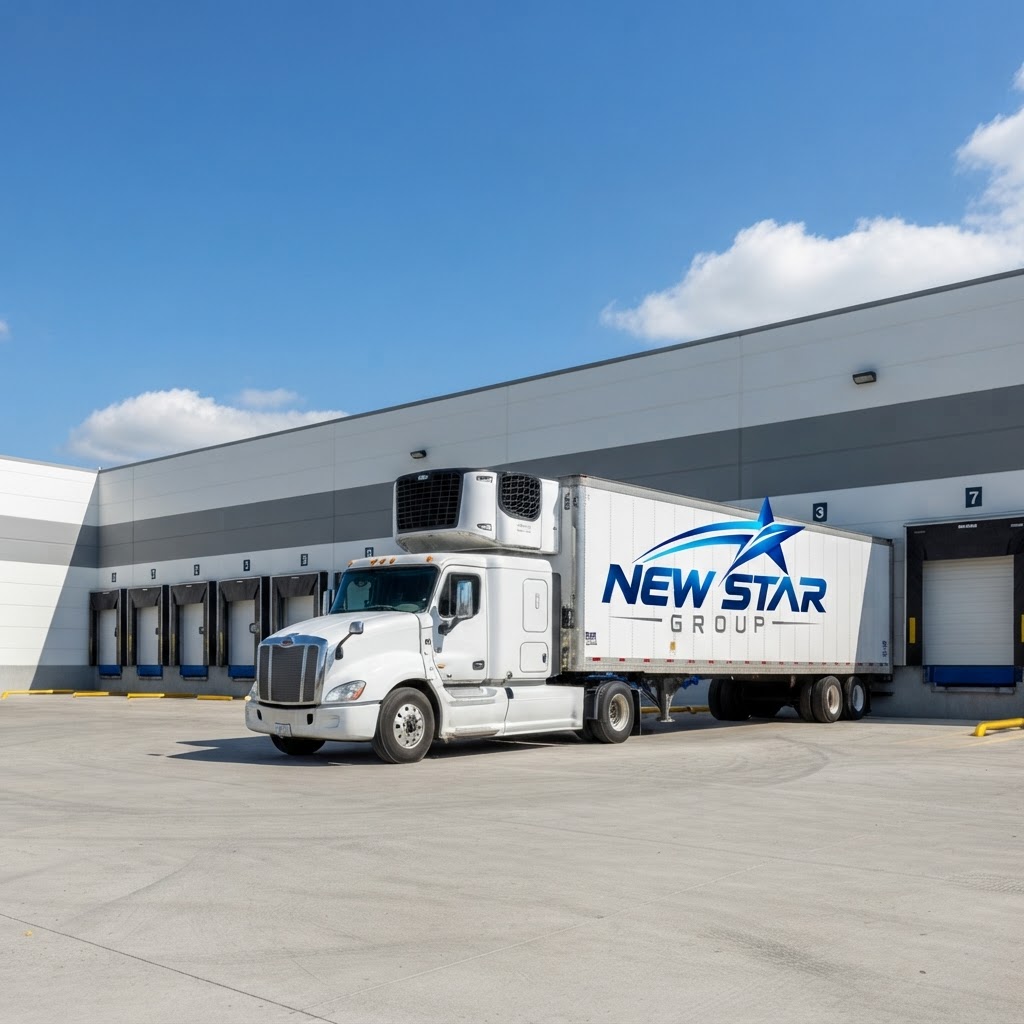
For fresh produce, dairy, meat, seafood, and ready-to-eat products, temperature management is the central logistics challenge. Food Standards Australia New Zealand (FSANZ) mandates specific temperature requirements for different food categories, and breaches can result in product recalls, regulatory penalties, and reputational damage.
Seasonal and Demand Variability
Food logistics must flex to accommodate significant seasonal production cycles and demand peaks. The mango season in the Northern Territory, the asparagus season in the Riverina, and Christmas demand spikes all require logistics providers to scale capacity rapidly.
Conclusion
The logistics of feeding Australia is a complex, high-stakes operation that depends on thousands of transport providers, warehouse operators, and logistics professionals working seamlessly. As the food industry continues to evolve, the logistics sector must continue to invest in the capabilities needed to serve it effectively.