
Building Resilient Supply Chains: Lessons from Australia's Post-Pandemic Recovery
The COVID-19 pandemic exposed critical vulnerabilities in global and domestic supply chains. Three years on, how has Australian logistics adapted to build greater resilience?
The disruptions of 2020–2022 fundamentally changed how Australian businesses think about supply chain risk. Empty supermarket shelves, months-long delivery delays, and port congestion that strangled the flow of imported goods served as a stark wake-up call. The era of lean, just-in-time supply chains optimised purely for cost efficiency was over.
The Vulnerability Exposed
Australia's heavy reliance on global supply chains — particularly for manufactured goods, electronics, pharmaceuticals, and personal protective equipment — became a national security concern during the pandemic. With 95% of Australia's international trade moving through its ports, and those ports experiencing unprecedented congestion, the fragility of the system was laid bare.
The Strategic Response: Onshoring and Diversification
Australian businesses have responded by diversifying supply sources, increasing inventory buffers, and investing in domestic manufacturing and production capacity. The Federal Government's Modern Manufacturing Strategy has supported this transition with significant funding for onshore pharmaceutical, food processing, and advanced manufacturing capacity.
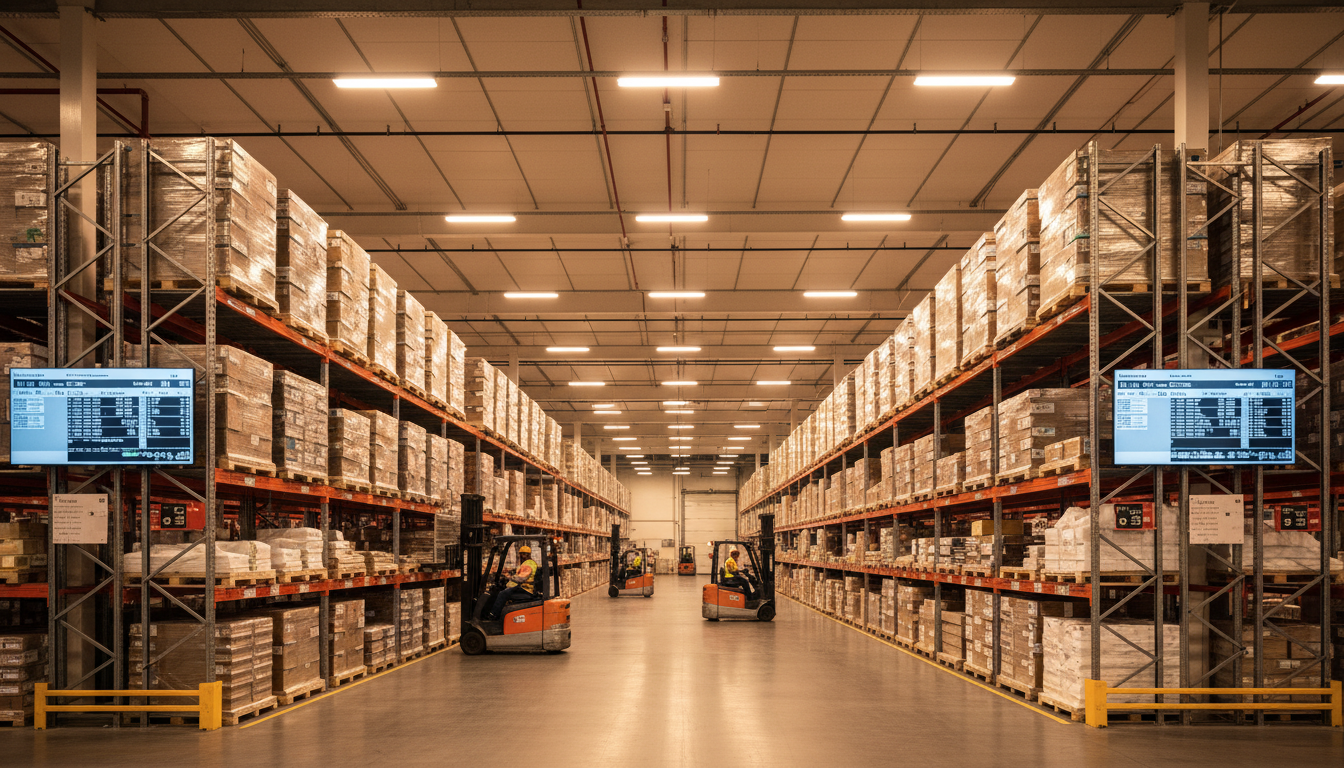
For logistics providers, this has meant growing demand for domestic warehousing and distribution services, as clients shift from lean inventory models to larger strategic stockholding.
Technology Investment in Supply Chain Visibility
Perhaps the most significant post-pandemic investment has been in supply chain visibility technology. Real-time tracking, predictive analytics, and digital twin modelling are now standard considerations in supply chain planning. The ability to identify and respond to disruptions before they become crises has become a key competitive differentiator.
AI-powered demand forecasting tools are helping manufacturers and retailers anticipate supply needs with greater accuracy, reducing the bullwhip effect that amplified the pandemic's disruptions throughout supply chains.
Conclusion
The supply chain resilience imperative is reshaping the logistics industry. Providers that can offer visibility, flexibility, and domestic redundancy — rather than simply lowest cost — are winning market share.